28/08/2026
If you live, rent, trade, or manage property near Tower Bridge Road, bulky waste can become...
Waste Disposal Bermondsey provides a reliable, ethical and efficient office clearance service for businesses and residents across Bermondsey and the surrounding SE1 area. From modern offices near Bermondsey Street to small workspaces in converted warehouses off Maltby Street, we handle clearances of all sizes with care and professionalism. We also offer highly efficient flat clearance for local estates and apartment blocks, ensuring your space is cleared, tidy and ready for its next use.
Whether you are relocating, downsizing, refurbishing or closing a workspace, our office clearance team is ready to help. We clear single rooms, entire floors or multi-site premises, working around your schedule to minimise disruption. From open-plan offices and shared work hubs to individual studios in converted buildings, we tailor our service to your layout and requirements.
We collect and remove desks, chairs, filing cabinets, storage units, reception furniture, meeting room tables, partitioning, shelving, small electricals and general office clutter. Our team works quickly and carefully, protecting communal areas in Bermondsey apartment blocks and commercial corridors as we move items out.
As well as office clearance, we carry out professional flat clearance in Bermondsey. Many offices in the area are located above shops, within mixed-use terraces or in converted flats on streets such as Jamaica Road, Long Lane, Grange Road and Southwark Park Road. We are experienced in navigating tight stairwells, shared entrances and lift-restricted properties to remove items safely and efficiently.
We clear studio apartments, maisonettes, top-floor flats and ex-local authority properties across Bermondsey estates. Whether you have a home office, a dedicated business unit within your flat, or general household items to remove, our team can clear the entire property or just specific rooms and areas.
Every property is different, so we offer both full and partial clearance services. You choose what stays and what goes, and we follow your instructions precisely.
Full clearance is ideal if you are vacating an office, ending a tenancy in a flat, or preparing a property for sale or refurbishment. We remove almost everything requested, leaving rooms empty and swept through where possible.
Partial clearance suits businesses reorganising their spaces, downsizing teams, or residents clearing specific items before a redesign. We can focus on old office furniture, redundant equipment, archived paperwork for shredding and disposal, or just bulky items that are difficult to move.
We understand that probate clearances can be sensitive. When clearing a flat, maisonette, terraced property or mixed-use unit in Bermondsey following a bereavement, our team works respectfully and discretely. We take instructions from executors, solicitors or family members and can coordinate access with managing agents or building caretakers where needed.
Our probate clearance service can include identifying items for valuation or retention, separating personal effects, and responsibly removing unwanted furniture and contents. Properties around Bermondsey, from older terraces near Tower Bridge Road to more modern apartments close to London Bridge, are all handled with the same level of care.
We are committed to responsible waste management and aim to divert as much material as possible from landfill. Office and flat clearance in Bermondsey often generates a mix of reusable and recyclable items, and our team sorts what we remove to maximise recycling and reuse.
Office furniture such as desks, chairs, steel cabinets and shelving can often be broken down into recyclable components. Electrical items, where appropriate, are processed in line with WEEE regulations. Cardboard, paper, metals and some plastics are separated wherever facilities allow, helping keep Bermondsey and the wider Southwark area cleaner and more sustainable.
Many items we collect during office and flat clearances are still in good condition and suitable for reuse. Through our network of local and regional donation partners, we aim to give office furniture, household items and equipment a second life wherever possible.
Usable desks, chairs, storage units, filing cabinets, bookcases, lamps and some small electricals may be passed on to charities, community groups or reuse projects. This is especially valuable in an area like Bermondsey, with its mix of start-up businesses, creative studios and community organisations operating from shared workspaces and converted industrial buildings.
By prioritising donation and reuse, we help reduce waste, support community initiatives and lower the environmental impact of each clearance.
When items cannot be reused or donated, we ensure they are disposed of in an ethical and compliant manner. Waste Disposal Bermondsey operates in line with current UK waste regulations and works only with licensed facilities for the treatment and disposal of residual waste.
From older office furniture and damaged fixtures to worn-out household items from flats and maisonettes, we manage the entire process responsibly. Our goal is to provide an office and flat clearance service that local businesses and residents can trust, knowing their unwanted items are handled correctly and with minimal environmental impact.
Bermondsey has a unique mix of property types that influence how clearances are carried out. We regularly work in period terraces, council and ex-council estates, riverside apartments, modern developments and converted warehouses close to the railway arches and the riverside.
Whether your office is in a modern block near Bermondsey tube station, a creative studio space off Bermondsey Street, or a flat above shops on Jamaica Road or Tower Bridge Road, we understand access restrictions, parking challenges and building management requirements in the area. This local knowledge helps us plan clearances effectively and complete them on time.
Choosing a clearance company is about more than just removing items. It is about reliability, discretion, environmental responsibility and respect for your property and neighbours. Waste Disposal Bermondsey offers a complete, professional service that covers offices, flats and mixed-use buildings across SE1.
We handle full or partial clearances, specialist probate work, recycling and donations, all while keeping disruption to a minimum. From initial enquiry to final sweep, our team works with you to ensure the process is straightforward and stress-free.
If you need an office or flat clearance in Bermondsey, Waste Disposal Bermondsey is ready to help. Whether you are clearing a single room, a shared office, a full floor in a commercial block or a flat on a local estate, we can provide a tailored service to match your needs. Contact us to discuss your clearance, arrange a visit and receive a clear, competitive quote for your Bermondsey property.

GET A FREE QUOTE
Always responsible in delivering excellence!
Waste Disposal Bermondsey provides practical rubbish collection and waste clearance in Bermondsey for everyday household waste, bulky items, light commercial rubbish and mixed site loads. The service is centred on removing unwanted materials in a way that is tidy, organised and appropriate to the type of waste involved. Whether the job is a single item, a roomful of clutter or a more routine commercial collection, the focus is on moving waste out efficiently and leaving the space ready for what comes next.
Our service range includes rubbish collection in Bermondsey, waste clearance and general waste disposal, with work organised around the kind of material that needs to be taken away. For customers who want a broader overview, the services overview explains how the different collection and clearance options fit together. Useful preparation is usually simple: note the type of waste, any awkward access and the rough amount involved, then have a look at the pricing pages before you make contact.
If you are ready to clear a space or plan a collection, take a few moments to review the main service options and then ask for a quote. A short description of the items is often enough to start the conversation. Clear instructions and a sensible plan help the collection run smoothly, especially where access, lifting or segregation of materials needs to be considered.
Domestic waste is rarely all the same type of material, so the service needs to handle mixed contents carefully. That may include bagged rubbish, unwanted boxes, old ornaments, broken household goods or larger items that no longer fit the way a property is used. A measured approach helps avoid confusion between reusable items, recyclable materials and waste that needs to be disposed of through the correct route. In many homes, the key task is simply getting several different categories of waste removed in one organised visit.
For bulky pieces, our furniture removal service and furniture disposal cover items such as sofas, wardrobes, tables and chairs. Where the waste is a mixture of household clutter and general rubbish, domestic waste collection gives a straightforward option for clearing what has built up over time. If appliances are part of the load, white goods and appliance disposal helps address heavier units that need separate handling.
Some household jobs are better planned room by room, while others are easier to handle by focusing on the main categories first. It is often useful to separate items that are staying from items that are going, particularly when several people share the property or when a room is being reorganised. Removing waste in stages can be helpful where the load includes both large items and smaller loose rubbish, because it makes the collection easier to describe and helps keep the space workable while the job is being done.
Some jobs go beyond simple rubbish collection and need a fuller clearance approach. That may involve loft contents, stored household effects, mixed bags, old furniture, packaging or items that have been left in a property for some time. A clearance service is useful when the aim is not only to take waste away, but also to reduce the amount of sorting a customer has to do beforehand. The work can be adapted to different property types, access arrangements and contents, provided the waste type is described clearly.
For larger domestic projects, house clearance is the obvious fit when multiple rooms need attention, while loft clearance suits spaces where items have been stored for years and may need careful handling down narrow access routes. When the waste is a combination of general household items and miscellaneous material, waste clearance remains a flexible choice because it is not tied to one room or one item type. If a property is also used for trade or business storage, the commercial pages can be reviewed alongside the domestic options.
The most helpful enquiries usually mention the main room or area, whether there are stairs or limited access and whether the contents are loose, bagged or stacked. If there are items that must stay in place, it is sensible to point that out at the start. That saves time during planning and helps the collection team understand what the job involves without overcomplicating the conversation. For many clearances, a concise description is enough to decide which service group is the best match.
Businesses often need waste removed without disrupting day-to-day activity, so commercial collections tend to work best when they are organised around the type of material and the practical layout of the premises. Office furniture, packaging, archived paper, broken fixtures and general rubbish may all need different handling. The aim is to clear what is no longer needed while keeping the business environment orderly and avoiding unnecessary disruption to staff, customers or visitors. The service can also help where a workplace is being reconfigured or partially emptied.
If your premises involve regular trade waste or a larger mixed load, commercial waste removal is a sensible place to begin. For workplace moves, refurbishments or end-of-lease clearance, office clearance waste disposal is more specific and better suited to desks, chairs, storage units and office clutter. Where the site is producing heavier mixed debris, the builders waste disposal page is more relevant because construction material has its own handling needs.
A short list of the main items is often the most efficient way to begin. It is also useful to note whether collections need to be arranged around opening hours, loading restrictions or shared building access. Commercial waste often needs a more structured plan than domestic rubbish, because the contents may include both furniture and operational waste. If you are preparing a workplace clear-out, make the main categories clear first and keep the rest of the detail simple.
Not every collection is neat or predictable. Renovation work can leave mixed rubble, timber, packaging and old fixtures, while outdoor jobs may involve soil, branches, grass cuttings or general garden debris. Some materials are also awkward because they are heavy, dusty, wet or unevenly stacked. A good waste disposal service needs to treat each group of materials differently so that the load is handled in a sensible way and the site is left in a better condition than before the collection.
For building projects, builders waste disposal is the appropriate option for renovation debris and site offcuts. For gardens and external spaces, garden waste removal covers green waste, cuttings and other outdoor material that should not be treated as ordinary household rubbish. If the job is mainly a one-off domestic load rather than a specialist clearance, domestic waste collection can still be useful where the contents are mixed but manageable.
For these kinds of jobs, it helps to think about what is actually present rather than only the final appearance of the pile. A sensible description might mention plaster, packaging, branches, broken fittings or leftover furnishings. You do not need to write a long inventory; the aim is to avoid surprises and choose the right service category. Where material is awkward to move, access and layout matter just as much as volume, so those details are worth including in the first enquiry.
Waste removal prices usually depend on the type of material, the quantity involved and the work needed to load it safely. Access can also affect the overall job because narrow stairways, upper floors, basement rooms or difficult parking can add time and complexity. Special items may need separate handling, especially where they are bulky, heavy or mixed with other waste. That is why a quotation is best based on a clear description of the actual contents rather than a broad estimate of the space they occupy.
Prices provides a useful starting point if you want to understand how different services are presented, while pricing and quotes is the better page when you are ready to request a figure for a specific job. If you want reassurance around how payments are handled, payment and security explains the approach taken on the site. For customers who prefer to check standards before booking, the waste carrier licence and compliance page is a useful reference.
Two practical points make most enquiries easier. First, identify the main waste type or the largest items, then say whether there is any mixed material alongside them. Second, note the parts of the property that matter for access, such as stairs, rear entry, shared corridors or restricted parking. If you are comparing options, clear details lead to clearer quotations and make it easier to choose the right service without unnecessary back-and-forth.
The right waste disposal choice depends on what is being removed and how much sorting is required. A small household load may only need straightforward collection, while a clearance job might involve several layers of contents that need careful separation. For businesses, the decision is often between a routine waste collection and a more complete clearance of old fixtures, office items or stock-related material. Matching the service to the waste keeps the process simple and avoids paying for a level of work that is not needed.
Where the contents are straightforward and mainly consist of general refuse, rubbish collection is a direct option. If the job includes larger furniture pieces, furniture removal may be the better route. For premises that hold a more varied mix of rubbish, furniture and miscellaneous items, waste clearance gives the broadest fit without forcing the load into one narrow category.
It is often worth deciding whether the main issue is disposal, clearance or removal, because those words sound similar but do not always describe the same job. Disposal is about taking waste away responsibly. Removal is usually about moving individual items or groups of items. Clearance tends to imply a more complete emptying or tidying of a space. A good enquiry should match the wording to the job, which makes the conversation quicker and the result easier to plan. That is especially useful when several different types of waste are involved.
Simple collections tend to work best when the waste is grouped sensibly and the access is described honestly. That does not mean everything has to be sorted in advance, but it does help to mention whether items are loose, bagged, boxed or stacked, and whether any pieces are especially heavy or awkward. If a space contains a mix of junk, furniture, packaging and old fittings, the main thing is to give enough information for the job to be categorised properly without turning the enquiry into an inventory exercise.
A few broad points are usually enough for planning. They are especially useful when the collection is happening from a flat, an office, a shop floor or a storage area with shared access. If you are preparing material for a quote, keep the detail focused on what matters most: the main items, the amount, the access route and any obvious restrictions. You can then use the more specific service pages, such as house clearance, office clearance or builders waste disposal, to narrow the job type.
One clear description is better than a long list of guesses. If you are unsure which page fits best, begin with the most accurate service group and mention the rest in plain language. That approach is useful across domestic and commercial work alike because it keeps the process practical and avoids unnecessary complexity before the collection is arranged.
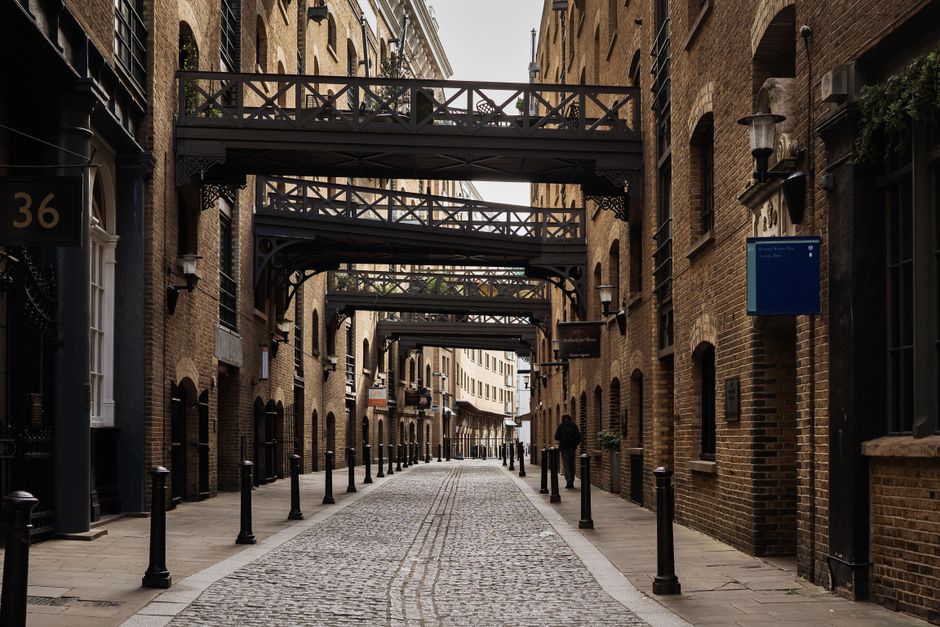
Bermondsey is a historic district in South East London, now part of the London Borough of Southwark, with a character shaped by riverside industry, later redevelopment and a strong local identity. Its name is linked to the old settlement that developed near the Thames, and the area has long been associated with trade, warehousing and food production. That history still appears in the street pattern and the surviving warehouse buildings, even as the district has changed into a busy residential and commercial neighbourhood. Bermondsey Street is one of its best-known routes, lined with mixed-use buildings, galleries, restaurants and smaller independent businesses. Nearby, the Shad Thames area preserves converted warehouses and raised walkways that recall the dockland past, while the wider district reaches towards riverside spaces and transport links that connect it to central London and neighbouring parts of Southwark. Bermondsey also has a cultural reputation that includes markets, craft food production and heritage-led regeneration, with Borough Market and the riverside walking routes drawing steady interest from visitors and locals. Southwark Park, one of the larger open spaces in the area, adds green relief and has long been part of the district’s civic life. The Thames Path, local churches and the remaining warehouse architecture all contribute to a setting where old and new sit closely together. This mix of industrial memory, urban living and preserved character is what gives Bermondsey much of its distinctiveness today.
Responsible waste disposal is not only about taking items away; it is also about deciding what can be separated, what can be reused and what must be treated as residual waste. Different materials can need different handling, and that is especially true where a collection includes metal, wood, cardboard, appliances or other mixed contents. A sensible service aims to route items in a way that reflects their condition and material, rather than simply bundling everything together without thought.
The recycling and sustainability page gives a clearer picture of the principles behind the service approach. Where a customer has a mixed load but wants the cleanest possible disposal route, that information can be included in the enquiry so the job can be assessed appropriately. This is particularly useful for office clear-outs, furniture jobs and light renovation waste, where the contents often include more than one type of material and the best outcome depends on sensible separation.
It is worth remembering that not every item should be treated in the same way just because it is being cleared from the same property. Old electrical goods, large furniture, packaging and general rubbish may all follow different paths. If you are planning a collection and want to keep things straightforward, focus first on the contents and then on the service that best matches them. That keeps the disposal route practical and makes the arrangement easier to understand from the start. If you would like to go ahead, request a quotation today. To make that easier, you can also use the contact us page when you are ready to send your details.
If you live, rent, trade, or manage property near Tower Bridge Road, bulky waste can become...

If you are searching for SE16 Bermondsey same day rubbish collection prices, you are probably...

If you trade on or around Maltby Street, waste is not a side issue.
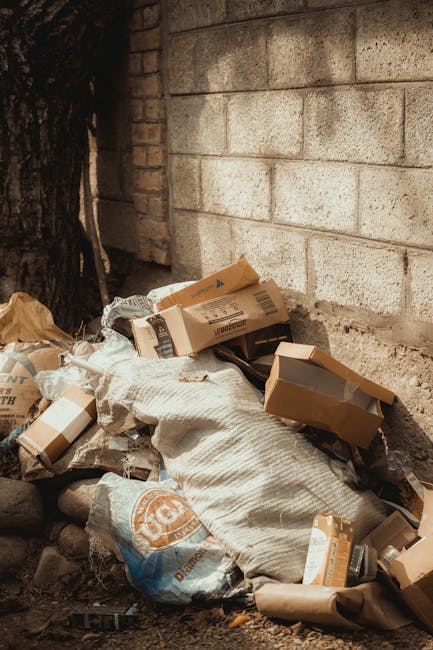
If you let property on or around Bermondsey Street, rubbish removal is rarely just a "clear the...
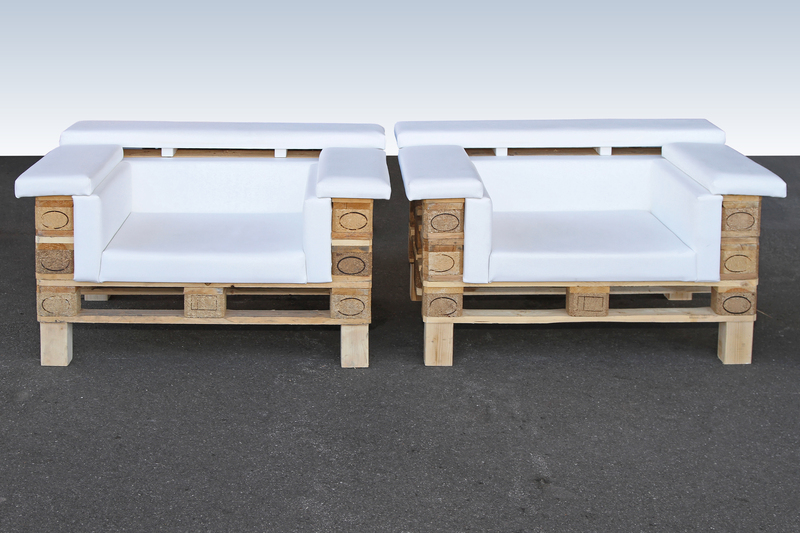
Bermondsey, an area located in the Southwark borough of London, has gained significant popularity...

Nestled in the heart of South East London, Bermondsey offers a unique blend of urban culture,...

Bermondsey, located in the heart of South London, has become a sought-after area for property...

Bermondsey, a vibrant and eclectic neighbourhood in South East London, is becoming increasingly...

London, the bustling capital of England, is a city that needs no introduction.

 (76)
(76)