Maltby Street Bermondsey rubbish collection tips for traders
Posted on 17/07/2026
If you trade on or around Maltby Street, waste is not a side issue. It affects how your pitch looks, how quickly you can pack down, whether neighbours stay happy, and how smoothly the market runs on a busy Saturday morning. The best Maltby Street Bermondsey rubbish collection tips for traders are usually simple, but they need to be consistent: sort early, store safely, clear out at the right time, and use a collection setup that matches the pace of your stall. Truth be told, a tidy trader often has a calmer trading day too.
In this guide, you will find practical steps for handling trader waste in Bermondsey, from food packaging and cardboard to bulky end-of-day rubbish. We will also cover compliance basics, common mistakes, and sensible ways to work with a professional team when your own system is not enough. If you want a broader view of local services, it can also help to look at the wider services overview and the company's approach to commercial waste removal in Bermondsey.

Why Maltby Street Bermondsey rubbish collection tips for traders Matters
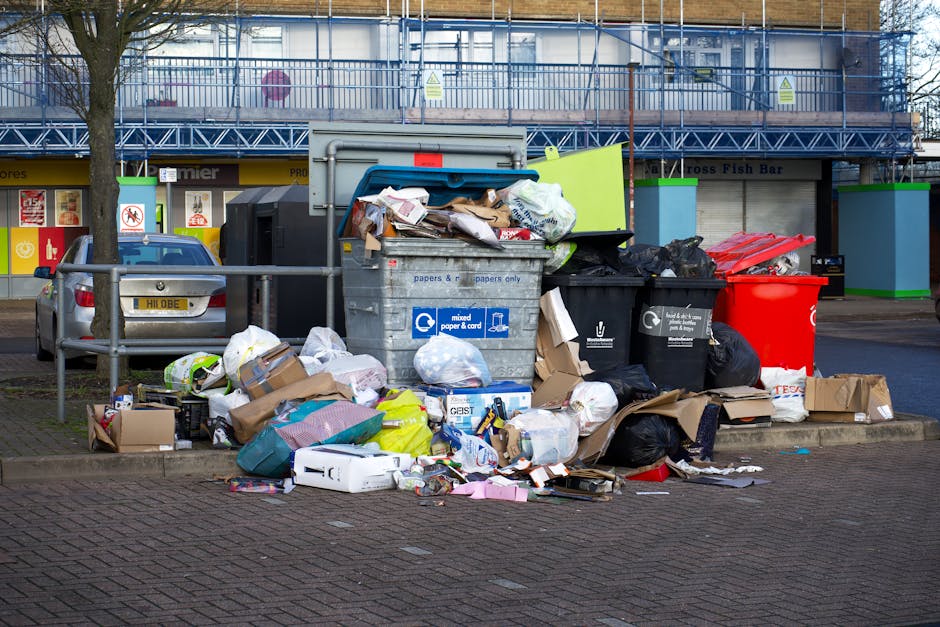
Maltby Street is compact, characterful and busy. That is part of the appeal, but it also means waste builds up fast. Cardboard boxes flatten into a slippery pile, food prep waste starts to smell, and small packaging suddenly becomes a visual problem right where customers are queuing. If you are trading there, even a few extra bags left at the wrong time can make your pitch look messy before lunch.
Waste management matters for three reasons. First, it protects your reputation. Customers notice a stall that looks organised and cared for. Second, it helps trading flow. If your rubbish is already sorted, pack-down is much quicker and less stressful. Third, it reduces friction with other traders and local operators who all need the same limited space to work properly. On a narrow street, mess travels quickly. One overflowing bag can become everyone's problem.
There is also a commercial angle that is easy to overlook. Waste that is poorly managed tends to cost more in time, storage, and occasional emergency clear-ups. A simple routine, carried out every market day, is usually cheaper than scrambling after things have piled up. If you want to see how waste support can scale across different business settings, it is worth browsing the broader waste disposal in Bermondsey options as well.
Expert summary: the traders who stay ahead at Maltby Street are rarely the ones with the fanciest setup. They are the ones who treat waste like part of service, not an afterthought.
How Maltby Street Bermondsey rubbish collection tips for traders Works
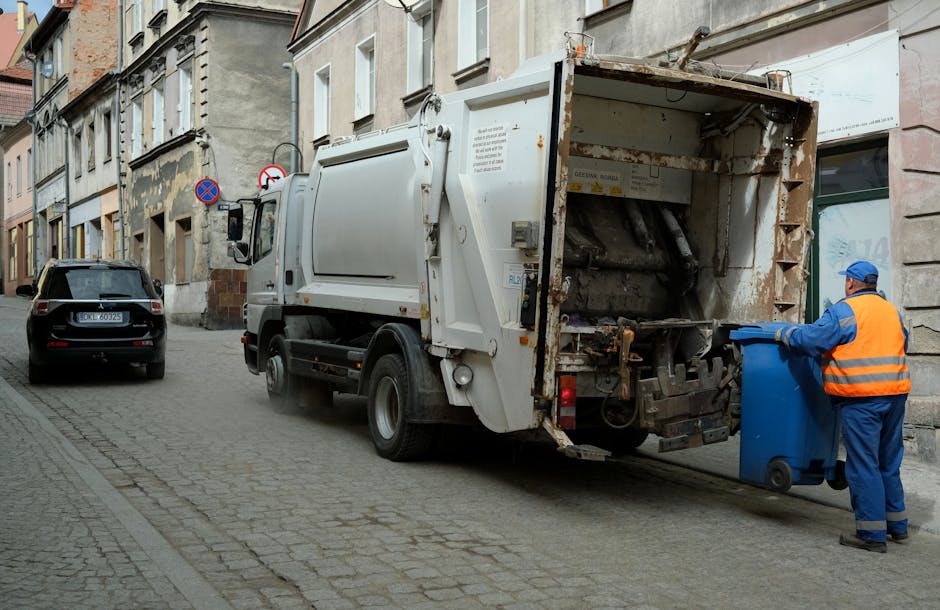
For traders, rubbish collection is usually a mix of prevention, sorting, and removal. In plain English: produce less waste where you can, separate what cannot be avoided, and make sure the remainder leaves the site cleanly and legally.
A workable system often looks like this:
- Set up the stall with waste in mind. Keep one container for customer-facing waste, one for packaging, and one for general rubbish if space allows.
- Flatten and fold wherever possible. Cardboard takes up a shocking amount of room when left whole. Flattening it early makes everything easier.
- Keep wet waste apart. Food scraps, napkins, and anything greasy should not mingle with dry recyclables if you want to avoid smells and contamination.
- Bag small waste as you go. Waiting until the end of the day often means a bigger, heavier, messier job later.
- Clear at an agreed time. The best traders know when collections happen and plan pack-down around that window, not the other way round.
That sounds straightforward, and it is. But the detail matters. A stall selling pastries will produce different waste from a florist, a coffee trader, or a street-food operator. One person may mostly need cardboard and light packaging removal; another may need regular food waste handling and a more structured commercial collection plan. If your needs change with the season or event calendar, a flexible service is often the least painful option.
For traders who generate mixed commercial waste, the most practical route is often a dedicated service like rubbish collection in Bermondsey, especially when the volume rises on busy weekends or during events nearby.
Key Benefits and Practical Advantages
The obvious benefit of good waste handling is cleanliness. The less obvious one is momentum. A tidy trading environment keeps you moving. You are not hunting for space behind the stall, lifting bags over customers, or deciding whether that box can be squeezed in later. It all becomes much smoother.
Here are the main advantages traders usually notice:
- Faster close-down at the end of service because waste is already separated and ready to go.
- Better presentation for customers, especially in a market known for quality food and independent trading.
- Lower risk of odours and pests from food waste left too long in warm weather.
- Less clutter behind the stall, which makes loading and unloading safer.
- Better recycling outcomes when cardboard, plastics and dry packaging are handled correctly.
- Fewer disputes with neighbours, neighbours' suppliers, or site operators, which is never a bad thing.
There is also a quieter benefit: peace of mind. If you know your waste plan is solid, you are less likely to spend the morning worrying about where everything is going to end up. That matters more than people admit.
For traders who want to align waste habits with more sustainable business practices, the page on recycling and sustainability is a useful place to get a sense of the bigger picture.
Who This Is For and When It Makes Sense
This advice is for market traders, food stall operators, pop-up vendors, independent retailers using Maltby Street as a sales base, and anyone clearing temporary trading waste in the Bermondsey area. It also helps people running stalls nearby who only trade on specific days and need a repeatable system rather than a full-time waste setup.
It makes particular sense if you:
- trade with packaging-heavy stock
- sell prepared food or drinks
- produce regular cardboard waste from deliveries
- share a trading space with others and need to stay tidy
- have limited storage on-site
- need reliable end-of-day clearance rather than ad hoc bin loading
It may also be the right time to upgrade your system if you are noticing one of these signs:
- your bins are full before service ends
- you are storing rubbish in an awkward back area
- collections are irregular or unclear
- staff are improvising with waste every day
- you are receiving complaints about mess or smell
That last point is usually the nudge. If rubbish is beginning to dictate how your stall operates, your setup probably needs tightening up.
Step-by-Step Guidance
Let's make this practical. A good waste routine does not need to be complicated, but it does need to be deliberate.
1. Audit what you actually throw away
Before changing anything, look at a full trading day and note what goes out. Is it mostly cardboard? Soft plastic wrap? Food remnants? Broken display items? A short audit tells you where the bulk really comes from. You might think your problem is general rubbish, but often it is packaging or wet waste causing the mess.
2. Separate waste streams at source
Source separation means sorting waste where it is created. That is much easier than picking through mixed bags later. Even basic separation - cardboard, dry recyclables, food waste, and residual rubbish - can improve the whole process. It is a small habit, but it changes everything.
3. Use the right containers
Good bins are not glamorous, but they do the job. Choose containers that are stable, easy to clean, and sized for the real volume you generate. If bags are bursting or lifting awkwardly, the container is wrong. Simple as that.
4. Plan collection timing around trading hours
Collection should support trading, not interrupt it. If you know your busiest footfall is mid-morning, do not schedule a collection when staff are also trying to serve customers. A slightly earlier pack-down can save a lot of stress. In our experience, timing is half the battle.
5. Keep storage neat and accessible
Waste waiting for removal should be kept in a place that is safe, tidy and out of the customer view if possible. It should not block exits, slipways or loading access. If you have to step over it, it is too badly placed.
6. Confirm what a collection service can and cannot take
Do not assume every waste type can go in one pile. Some items need special handling, and certain materials are better kept separate. If you are dealing with bulky items or mixed commercial waste, check the scope in advance. This is especially useful if your stock or stall setup changes seasonally.
7. Review and reset each week
A weekly reset is often enough to catch problems early. Ask: what filled fastest, what got awkward, and what could be cut down next week? That little review keeps you from drifting into messy habits.
Expert Tips for Better Results
Now for the stuff that saves time in real life, not just on paper.
- Use colour cues. Different coloured bags or labels can help staff sort waste quickly, especially during busy service.
- Pre-flatten cardboard during quiet moments. A two-minute job between customers is easier than a twenty-minute pile at close.
- Keep a small, lined caddy near prep areas. It reduces the temptation to toss everything into one bin.
- Make one person responsible for final waste sign-off. Shared responsibility often means nobody is fully responsible. A classic workplace mystery, really.
- Factor in weather. Warm days can make food waste and packaging smell faster, while wet weather turns loose waste into a soggy nuisance.
- Use a "last sweep" habit. Before leaving, scan under counters, behind crates and around foot traffic areas. Little scraps matter more than people think.
If your stall also includes fixtures, broken displays or end-of-season clear-outs, a broader service such as waste clearance in Bermondsey may be the more efficient choice than trying to manage everything as ordinary bag waste.
One useful rule of thumb: if a task keeps getting postponed because it feels awkward, that task probably needs a better system, not more willpower.
Common Mistakes to Avoid
Most rubbish problems at busy trading sites come from a handful of predictable errors. The good news is they are avoidable once you spot them.
- Leaving everything until the end of the day. By then, the mess is bigger, heavier and more likely to spill.
- Mixing wet and dry waste. This is one of the quickest ways to create smell and contamination.
- Overfilling bags. It makes lifting unsafe and often leads to tears, leaks or dropped waste.
- Assuming someone else will handle it. If roles are unclear, waste tends to sit around longer than it should.
- Ignoring bulky items. One damaged crate or broken stand can sit behind a stall for ages unless someone deals with it properly.
- Using unverified collectors. For traders, this is a big one. You should always know who is taking your waste and how it is being handled.
That last point is not just about tidiness. It is about trust, records, and basic professionalism. If you are not sure whether a collector is operating properly, pause and check before handing anything over. Better to ask a slightly awkward question than create a bigger issue later.
Tools, Resources and Recommendations
You do not need a warehouse full of gear to manage trader waste well. A few simple tools go a long way.
| Tool or resource | Why it helps | Best use |
|---|---|---|
| Heavy-duty bins | Reduce spillages and make sorting easier | Food stalls, packaging-heavy traders |
| Clear labels | Help staff separate waste quickly | Shared stalls or rotating teams |
| Flat-pack waste boxes | Make cardboard easier to store before removal | Retail, deli, and delivery-heavy traders |
| Cleaning wipes and bin liners | Help keep the waste area sanitary | Daily close-down routine |
| Collection schedule | Stops waste building up unexpectedly | Any trader with regular trading hours |
If you need a broader understanding of how collections are arranged or priced, the page on pricing and quotes can help set expectations before you plan a regular arrangement. For traders who want to understand how collections are handled safely and properly, the company's insurance and safety information is also worth a look.
And if you are comparing services for more than one business location, the most efficient starting point is often to speak with a team that already understands local commercial waste patterns. Bermondsey is not a generic high street; the rhythm is different, and waste flows differently too.
Law, Compliance, Standards, or Best Practice
Waste handling for traders is not just a practical issue. It also sits within UK waste duty-of-care expectations and normal commercial best practice. Without getting bogged down in legal jargon, the key point is this: once waste leaves your stall, you are still responsible for making sure it is passed to someone who is properly authorised to carry and dispose of it.
That means using a reputable waste carrier, keeping records where appropriate, and separating anything that needs special handling. It also means not leaving loose rubbish where it can block access, blow about in the street, or create a hazard. For traders, compliance is often about small disciplined habits rather than one big policy document.
If you are outsourcing collection, it is sensible to check whether the provider explains its waste carrier licence and compliance standards clearly. A good provider should be able to speak plainly about how waste is handled, what happens next, and what types of material they can accept. That transparency matters more than fancy language.
Another useful standard is simple site etiquette. Keep loading areas clear. Store waste securely. Do not mix prohibited materials with general rubbish. And if you are unsure, ask before the day becomes chaotic. A five-minute question can save a much longer headache.
Options, Methods, or Comparison Table
Different traders need different collection setups. Here is a quick comparison to help you think it through.
| Method | Best for | Pros | Watch-outs |
|---|---|---|---|
| Self-managed bag and bin system | Very small traders with low waste volume | Simple, inexpensive, flexible | Can become messy fast if trade grows |
| Scheduled commercial collection | Regular traders with predictable waste | Reliable, tidy, easier to plan around | Needs consistent timing and clear sorting |
| Ad hoc clearance support | Pop-ups, events, seasonal peaks | Good for sudden surges and bulky waste | Not ideal as the only long-term plan |
If you trade intermittently, a flexible approach may be enough. If you are there every week, regular collections usually make more sense. And if your waste changes dramatically depending on event days, a mixed approach can work well. That is often the sweet spot, to be fair.
Businesses with other local clear-out needs may also find it useful to compare builders waste disposal in Bermondsey, office clearance and waste disposal, or specialist options such as white goods and appliance disposal if a stall or back-of-house area generates awkward items.
Case Study or Real-World Example
Imagine a small trader selling savoury pastries, coffee, and bottled drinks on a busy market morning. At first, everything is tipped into one bin at the back of the stall. By 11:30, the bin is full, the cardboard boxes are stacked beside a prep table, and a couple of wrappers have blown into the walkway. It is not a disaster, but it feels rushed and untidy.
Now imagine the same trader with a better setup. Cardboard is flattened as deliveries are unpacked. Wet waste goes into a lidded caddy. Dry packaging is kept separate. At close, the waste is already portioned into manageable bags, and the final sweep takes minutes rather than ages. Staff leave faster. The pitch looks better. No one has to wrestle a giant mixed bag through a crowd of shoppers.
That is the difference good waste planning makes. Not dramatic, just quietly effective. And in a place like Maltby Street, quiet effectiveness is gold.
We have also seen traders benefit from reading connected local guidance, especially where trading overlaps with property, landlord, or street-level waste issues. For example, the article on Bermondsey Street rubbish removal guidance for landlords offers useful context on keeping shared spaces cleaner and more manageable. It is not the same situation, obviously, but the same principle applies: the fewer surprises, the better.
Practical Checklist
Use this checklist before, during, and after trading day. Simple, but effective.
- Identify the main waste types your stall produces
- Set up at least basic separation for cardboard, food waste, and general rubbish
- Keep bins stable, lined, and easy to clean
- Flatten cardboard as soon as it appears
- Do a mid-shift waste sweep if trade is busy
- Keep storage areas away from customer flow
- Confirm collection timing before the trading day begins
- Make sure staff know who is responsible for waste close-down
- Use only properly authorised collectors
- Check for missed items behind counters, under tables, and around loading points
- Review what worked and what did not after each trading week
If you are scaling up, dealing with extra stock, or clearing out older equipment, think beyond the day-to-day bags. Larger items may need a structured visit, and that is where a planned service becomes very useful.
Get a free quote today and see how much you can save.
Conclusion
Good waste handling at Maltby Street is not about perfection. It is about rhythm. A clear routine, a clean stall, and a sensible collection plan will carry you much further than last-minute juggling ever will. When traders get waste under control, the whole trading day tends to feel lighter. Less clutter. Less smell. Less faffing about, frankly.
Whether you run a food stall, a pop-up retail space, or a small seasonal operation, the best approach is usually the same: sort early, clear often, and stay consistent. If you build the habit once, it becomes part of how you trade. And that is when things start to feel easier, almost without you noticing.
For traders looking to put a stronger system in place, the next sensible step is to review your current waste setup, compare it with your real trading volume, and choose support that fits the pace of Maltby Street rather than fighting it. Small improvements stack up. They really do.

 Tipper Van - Rubbish Removal and Attic Clearance Prices in Bermondsey, SE16
 Luton Van - Rubbish Removal and Attic Clearance Prices in Bermondsey, SE16