Tower Bridge Road bulky rubbish pickup rules in Bermondsey
Posted on 28/08/2026
Tower Bridge Road bulky rubbish pickup rules in Bermondsey: what you can put out, when to do it, and how to stay on the right side of the rules
If you live, rent, trade, or manage property near Tower Bridge Road, bulky waste can become annoying fast. A broken wardrobe, a mattress that has seen better days, a chipped sofa, or a pile of builders' offcuts in the hallway all need handling properly. The trouble is that the Tower Bridge Road bulky rubbish pickup rules in Bermondsey are not always obvious at street level. Timing matters. Presentation matters. And, to be fair, one wrong move can turn a tidy clear-out into a messy problem very quickly.
This guide breaks down what bulky rubbish pickup usually means in this part of Bermondsey, how collections tend to work in practice, what people get wrong, and when a professional rubbish removal service is the cleaner, safer choice. If you want a broader look at local waste options, you may also find our services overview useful, especially if you are comparing different collection types for a flat, shop, or managed building.
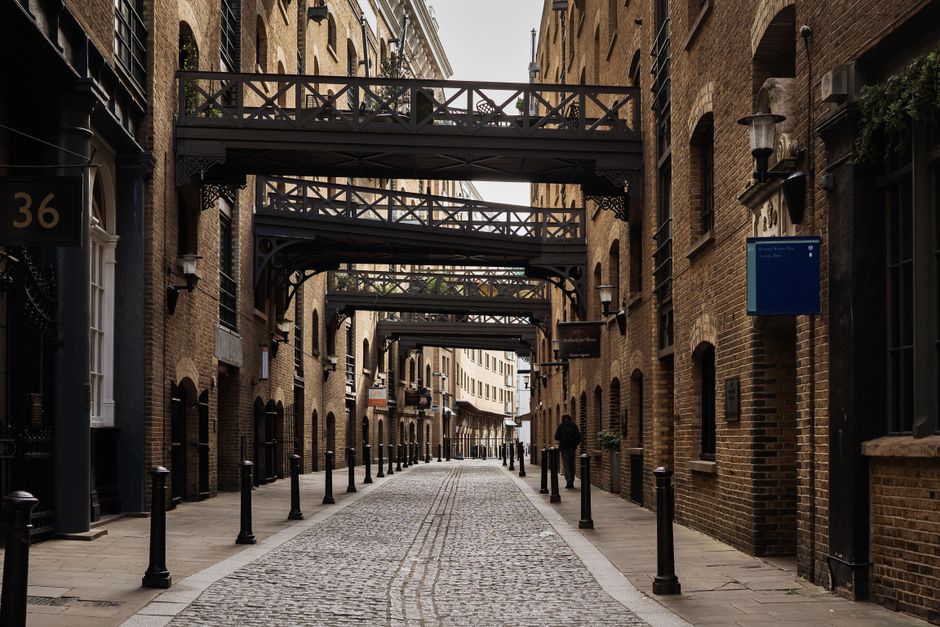
Why Tower Bridge Road bulky rubbish pickup rules in Bermondsey Matters
Tower Bridge Road is busy, visible, and awkward if waste is left out badly. You have foot traffic, buses, parked cars, delivery vans, and the usual London squeeze where one badly placed item can block a pavement or invite a complaint. Bulky rubbish is not like a normal black sack. It needs more space, better timing, and a little more judgement.
The rules matter because bulky waste can quickly create three separate problems: obstruction, nuisance, and non-compliance. A sofa left outside too early can get soaked, ripped, or moved by someone else. A mattress on the pavement can become an eyesore by mid-morning. A stack of mixed junk can be treated as fly-tipping if it looks abandoned. Nobody wants that conversation with a neighbour, landlord, or managing agent. Nobody.
In Bermondsey, many people also live in flats, conversions, and mixed-use buildings, so shared entrances and narrow access routes make the situation even trickier. A simple clear-out becomes a logistics puzzle. That is why understanding the local rules is not just a boring admin task; it is the difference between a smooth pickup and a headache that hangs around for days.
For landlords and property managers, the stakes are higher still. A bad waste job can delay check-ins, upset neighbours, or damage the image of a building. If you are dealing with repeated tenant clearances, our article on Bermondsey Street rubbish removal for landlords gives a useful nearby perspective on the practical side of recurring waste issues.
Expert takeaway: if bulky waste looks like it has been dumped rather than arranged for collection, people tend to treat it that way. Presentation and timing are half the battle.
How Tower Bridge Road bulky rubbish pickup rules in Bermondsey Works
In plain English, bulky rubbish pickup works best when the waste is identified, sorted, and prepared before it goes out. The exact arrangements depend on whether you are using a local authority-style collection, a private rubbish removal team, or a building-managed waste arrangement. The important thing is that bulky items are usually treated differently from everyday household waste.
Typical bulky items include old furniture, mattresses, white goods, shelving, broken office furniture, and other large items that will not fit inside a normal bin. Builders' materials and renovation debris can also count as bulky waste, although they are often handled under separate rules or service types. For example, you would usually deal with renovation debris through builders waste disposal in Bermondsey rather than with household bulky collection.
The process usually follows a pattern like this:
- Identify the exact items to be removed.
- Check whether they are accepted as bulky waste or need a specialist service.
- Separate reusable, recyclable, and hazardous materials where possible.
- Confirm access, parking, and collection time.
- Place items out only when instructed, or keep them ready for loading inside the property or on private land.
That last point is worth slowing down over. In many real-world situations, the best place for items is not the public pavement at all. It may be a courtyard, rear yard, private forecourt, or loading area. If you are in a block, the managing agent may also require a certain route or time window. It sounds fussy until you have watched a mattress sit in the rain while three neighbours wonder who did it.
For mixed loads, a professional team can be cleaner because they handle the sorting and lifting in one visit. If you are comparing this with other waste streams, our waste clearance in Bermondsey and domestic waste collection in Bermondsey pages explain the broader service options in a practical way.
Key Benefits and Practical Advantages
Understanding the rules is not just about avoiding trouble. There are genuine practical benefits when bulky rubbish is handled properly.
- Cleaner streets and entrances: items are removed before they become clutter or an obstruction.
- Less risk of complaints: neighbours are far less likely to chase you if the waste is managed neatly.
- Better recycling outcomes: separating items often makes it easier to recover metal, wood, or reusable materials.
- Safer lifting: heavy or awkward items are handled without the usual "two people and a bad idea" approach.
- Faster property turnover: especially useful for landlords, agents, and anyone trying to get a flat ready for new occupants.
There is also a quieter benefit that people often miss: peace of mind. Once bulky waste is dealt with properly, it stops taking up mental space. No more side-eye at the corridor chair. No more "I'll sort that tomorrow" guilt every time you walk past the spare room. Small thing, maybe. But helpful.
If sustainability matters to you, it is worth looking at how items are processed after collection. A responsible service should prioritise reuse and recycling where possible. Our recycling and sustainability page explains that approach in simple terms, and it matters if you want a disposal method that feels a bit more considered.
Who This Is For and When It Makes Sense
The Tower Bridge Road bulky rubbish pickup rules in Bermondsey matter to a fairly wide group of people. In fact, you may be reading this for one of several very different reasons.
Homeowners and tenants usually need help after replacing furniture, clearing a room, or dealing with end-of-tenancy clutter. One sofa can be manageable. Two wardrobes and a bed frame? Less so.
Landlords and letting agents often need fast turnarounds between tenancies. Bulky waste is common after a move-out, and it often arrives at the worst possible time. There is always another visit, another inspection, another key handover.
Businesses and traders may need bulky item removal after office refits, shop changes, or stockroom clear-outs. For those situations, our commercial waste removal in Bermondsey page is the better fit.
Builders and renovators may generate bulky waste as part of a larger job. That can include broken fixtures, ripped-out units, packaging, and timber offcuts. For anything that looks like mixed renovation debris, use the right service rather than trying to squeeze it into a household route.
Residents of flats and estates often have the most rules to think about. Shared access, communal corridors, and limited curb space can make even a small pickup feel oddly complicated. Do you really want to drag a broken chest of drawers down three flights only to find the collection window has changed? Probably not.
Step-by-Step Guidance
If you want the whole thing to go smoothly, treat it like a small project rather than a last-minute tidy-up.
1. List exactly what needs to go
Start with a quick inventory. Write down each item and whether it is full-size furniture, a white good, a bag of mixed household junk, or something potentially hazardous. If an item contains glass, batteries, gas, or sharp edges, that changes how it should be handled.
2. Separate what can stay, be reused, or be recycled
Not everything needs to be loaded onto a truck. A second-hand bookcase might be reusable. A metal bed frame may be recyclable. A partly working appliance might need a specialist disposal route. If you are clearing a property, this step also helps reduce volume, which can save space and simplify quoting.
3. Check the access route
Look at the stairs, lifts, door widths, parking, and any resident restrictions. On Tower Bridge Road, access can be the difference between a neat one-hour removal and a frustrating half-day affair. If a item has to pass through a tight hallway, measure it. Seriously. Guessing is how people end up turning a wardrobe into a geometry lesson.
4. Decide whether it should go to the pavement, private land, or direct loading
In many cases, keeping items on private property until collection is safer and tidier. If items must be placed outside, follow the instructions you have been given and avoid early exposure. The longer something sits out, the more likely it is to be damaged, moved, or reported.
5. Confirm the collection time
Agree a window and stick to it. A missed pickup causes extra parking disruption and can create awkwardness with neighbours or building managers. If you are booking an urgent job, our SE16 same-day rubbish collection prices guide is a useful next read for understanding the fast-turnaround side of things.
6. Prepare the area before collection
Move smaller obstacles, unlock gates, and keep pets and children away from the route. Clear access sounds obvious, but it is one of the easiest ways to make the pickup quicker and less stressful.
Expert Tips for Better Results
A few small habits make bulky waste removal much less painful.
- Take photos before booking. It helps you remember what is going and makes quoting easier.
- Group similar items together. A pile of furniture is easier to load than a random mix spread across several rooms.
- Keep the heaviest items nearest the exit. That saves time and reduces carrying distance.
- Plan for awkward items early. Mattresses, wardrobes, and appliances often need the most care.
- Ask about recycling first. You may not need a full disposal route for everything.
One practical tip that saves time in real life: if you are clearing a flat, do a final sweep of drawers, under beds, and behind radiators before collection day. People are amazed by the odd bits that turn up there - coin jars, cables, a mystery key, half a charger, the lot. And yes, sometimes the missing remote.
If your job involves broken appliances, a dedicated service is often better than trying to bundle them in with general waste. See white goods and appliance disposal in Bermondsey for the right handling approach.
For furniture-heavy clearances, it may also be worth reading about furniture removal in Bermondsey and furniture disposal in Bermondsey so you can choose the most suitable route. The right choice is not always the biggest one. Sometimes it is simply the neatest.
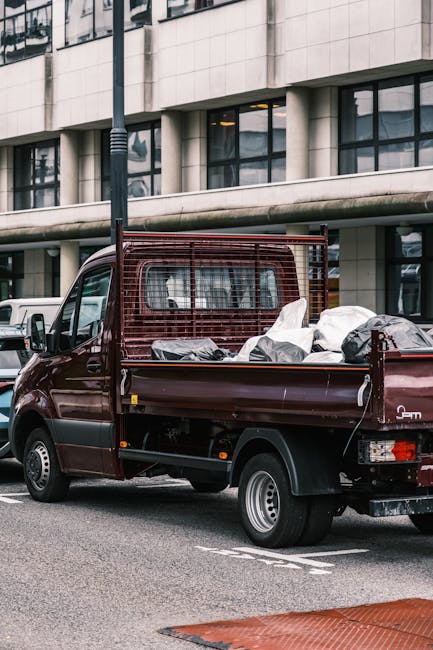
Common Mistakes to Avoid
The most common mistakes are surprisingly ordinary. That is what makes them dangerous.
- Leaving items out too early: this is how collections turn into clutter and complaints.
- Mixing bulky waste with hazardous waste: items like batteries, chemicals, or damaged electricals may need separate handling.
- Blocking entrances or pavements: even for a short time, this can cause access problems and neighbour friction.
- Assuming everything is accepted: not every large item belongs in a standard bulky pickup.
- Not confirming access: a lift outage or locked gate can throw off an otherwise simple job.
A quieter mistake is underestimating the sheer volume of what you have. A spare room can hide a lot. Once you start lifting, it is suddenly three chairs, a broken desk, two lamps, and a sack of old cables. It grows. That is normal.
Another issue is poor communication in shared buildings. If you are in a block, tell the concierge or managing agent early. It sounds like overkill until someone else reports the pile as abandoned waste. Then it is not overkill at all.
Tools, Resources and Recommendations
You do not need a specialist toolkit to arrange bulky waste pickup, but a few simple tools help.
- Measuring tape: useful for checking furniture and route widths.
- Phone camera: photos help with planning and quoting.
- Marker tape or labels: helpful when separating keep, donate, and remove piles.
- Sturdy gloves: especially if you are moving items yourself before collection.
- Basic checklist: a written list prevents missed items and repeated trips.
For trustworthy information about how a provider works, look at their compliance, safety, payment, and policy pages. These do not always sound exciting, but they matter. Our pages on waste carrier licence and compliance, insurance and safety, and payment and security are a sensible place to start if you want reassurance before booking.
If you want to compare pricing structure and understand how quotes are typically put together, you can also check pricing and quotes. Good pricing should be clear, not mysterious. If it feels mysterious, it usually is.
Law, Compliance, Standards, or Best Practice
Bulky rubbish pickup in Bermondsey should be handled with care, and compliance is part of that. While specific arrangements can vary depending on the property, the street, and the service provider, a few standards are sensible across the board.
First, waste should only be transferred to a properly authorised carrier. That protects you from handing items to someone who may dump them later. If a provider cannot show that they operate properly, that is a red flag. Simple as that.
Second, bulky items must not block public access or create a hazard. In practice, that means keeping pavements, doorways, and emergency routes clear. If you are in a managed building, follow any house rules or collection instructions from the managing agent. Even if the building feels relaxed, waste on communal land has a way of becoming somebody else's complaint.
Third, item type matters. Electricals, fridges, gas appliances, and mixed renovation waste often need different handling from ordinary furniture. Best practice is to separate these where possible and tell the collector exactly what is included. A quick honest description saves everyone time.
Fourth, documentation is worth keeping. A short note, receipt, or confirmation message can be useful if you are a landlord, tenant, or business owner needing a record of disposal. It is not glamorous, but it helps when someone asks, "Where did that old sofa go?"
Finally, be cautious with anything sharp, heavy, or potentially contaminated. Broken glass, nails, rusty metal, and damp items can all create injury risks. If something looks unpleasant to move, it probably deserves a more careful plan.
Options, Methods, or Comparison Table
There are usually three ways to deal with bulky waste around Tower Bridge Road. Each has its place.
| Method | Best for | Strengths | Trade-offs |
|---|---|---|---|
| Local bulky pickup arrangement | Single household items, planned clear-outs | Simple when rules are clear, often cost-conscious | May involve strict timing, item limits, or access restrictions |
| Private rubbish removal service | Fast removals, mixed loads, awkward access | Convenient, flexible, handles lifting and loading | Usually more expensive than doing it yourself |
| Self-haul to a disposal point | People with transport and time | Direct control, useful for smaller loads | Parking, loading, and transport can be a pain in London traffic |
For most people on Tower Bridge Road, the real decision comes down to time versus effort. If you only have one clean item and a clear arrangement, a straightforward pickup may do the job. If the load is mixed, heavy, or urgent, a private service is often the calmer route. Calm matters more than people think.
For bigger clear-outs, especially when furniture is mixed with general junk, our broader rubbish collection in Bermondsey and waste disposal in Bermondsey pages are useful comparison points.
Case Study or Real-World Example
A typical Tower Bridge Road scenario looks like this: a couple is moving out of a top-floor flat and needs to clear a bed base, a mattress, a wardrobe, two side tables, and a broken office chair. At first glance, it feels manageable. Then they realise the lift is small, the hallway is narrow, and the building has a strict no-obstruction rule for shared areas.
Instead of dragging everything into the street the night before, they photograph the items, confirm access, and keep them inside the flat until the collection window. The largest items are dismantled where possible. The wardrobe is split down into panels, the mattress is wrapped, and the chair is placed with the other furniture so nothing is missed. The collection is completed in one visit. No complaints, no corridor clutter, no awkward note from the managing agent.
That is the whole point, really. The job still takes effort, but it is controlled effort. Less drama, less waste sitting around, and a far lower chance of something going wrong when the street gets busy in the morning.
If the clear-out had included landlord leftovers or tenant rubbish, a specialist local guide such as Maltby Street rubbish collection tips for traders can also give you a sense of how mixed-use Bermondsey areas handle busy removal jobs.
Practical Checklist
Use this before booking or putting anything outside.
- List every bulky item clearly.
- Check whether any item is electrical, hazardous, or needs special handling.
- Measure large items and access points.
- Confirm whether items should stay on private land or be moved outside only at collection time.
- Tell neighbours, agents, or the building manager if shared access is involved.
- Separate recyclables and reusable items where possible.
- Prepare a clear path from the item to the collection point.
- Take photos if you need a record or a quote reference.
- Double-check the booking time and any parking restrictions.
- Keep children, pets, and loose clutter away from the route.
Quick summary: the safest approach is usually the simplest one - clear the access, keep the load honest, and avoid leaving bulky rubbish exposed any longer than necessary. That alone prevents a surprising amount of trouble.
If you are still deciding which service level fits your situation, our house clearance in Bermondsey, loft clearance in Bermondsey, and office clearance waste disposal in Bermondsey pages can help you match the job to the right solution.
Conclusion
The Tower Bridge Road bulky rubbish pickup rules in Bermondsey are really about common sense backed by good timing. Keep items organised, do not block access, use the correct collection route, and make sure you understand what counts as bulky waste versus specialist waste. That is the formula.
For residents, landlords, and businesses, the best result is usually the least dramatic one: a clear plan, a tidy handover, and no surprise pile on the pavement in the middle of a busy London morning. Once you get the rhythm of it, it becomes much easier than it first looks.
If you want a practical local team that understands Bermondsey's access quirks, busy roads, and mixed property layouts, start by comparing service options and checking what fits your load, timing, and building rules.
Get a free quote today and see how much you can save.
And if you are handling this on a rainy Tuesday with one too many things in the hallway, take a breath. It does get sorted.

 Tipper Van - Rubbish Removal and Attic Clearance Prices in Bermondsey, SE16
 Luton Van - Rubbish Removal and Attic Clearance Prices in Bermondsey, SE16