Bermondsey Street rubbish removal guide for landlords
Posted on 03/07/2026
If you let property on or around Bermondsey Street, rubbish removal is rarely just a "clear the flat and move on" job. It can be the difference between a smooth turn-around and a stressful void period full of complaints, missed handovers, and last-minute panic. This Bermondsey Street rubbish removal guide for landlords is designed to help you deal with tenant waste, bulky items, post-tenancy clearances, and awkward left-behinds in a way that is practical, compliant, and, frankly, much less of a headache.
Whether you manage a single buy-to-let, several flats, or a mixed-use property, the basics are the same: know what has been left, choose the right clearance method, keep records, and make sure waste goes where it should. Sounds simple. In real life, it rarely is. Let's go through it properly.
Why Bermondsey Street rubbish removal guide for landlords Matters
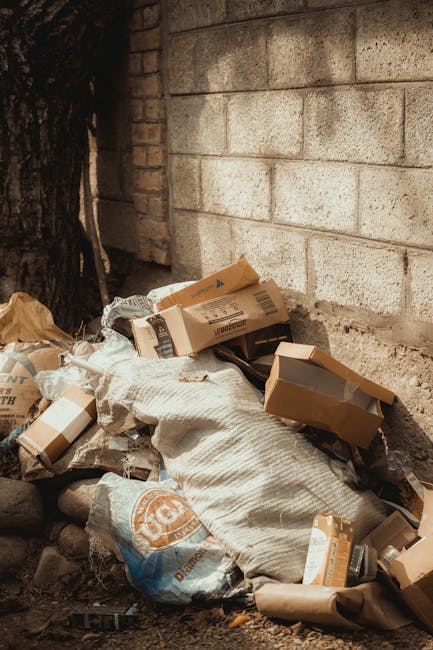
Landlords on Bermondsey Street tend to face a very specific mix of waste issues. Some are predictable: a sofa that cannot fit through the stairwell, a mattress left behind after checkout, or a couple of broken chairs shoved in the hallway. Others are less tidy, like a full flat clearance after a long tenancy or builders' rubble after a minor refurb that went on just a bit too long.
The location matters too. Bermondsey Street has a lot of character, and character usually comes with awkward access, shared entrances, and neighbours who notice everything. Bags left in the wrong place, a bulky item in the front passage, or a skip that sits too long can quickly become a problem. If you are also dealing with a fast-moving rental market, delays are expensive. Every day a property sits between tenancies can cost more than the clearance itself.
There is also the reputational side. A clean, well-prepared property photographs better, shows better, and feels cared for. That may sound obvious, but tenants do notice the difference. So do letting agents. So does your future maintenance budget, because a messy departure can hide damage that only shows up once the waste has gone.
For landlords who want a broader picture of the local rental environment, it can also help to understand the area itself. If you want a sense of the neighbourhood dynamics, the article on Bermondsey living pros and cons is a useful companion read.
How Bermondsey Street rubbish removal guide for landlords Works
In simple terms, rubbish removal for landlords is the organised collection, sorting, and lawful disposal of unwanted items from a rental property. That may include general rubbish, furniture, white goods, renovation debris, garden waste from a courtyard, or a full end-of-tenancy clearance.
Usually the process follows a familiar pattern:
- Identify the waste - separate general rubbish from bulky items, recyclables, and anything that needs special handling.
- Assess access - note stairs, narrow hallways, loading restrictions, parking challenges, and whether items need to be carried a long distance.
- Choose the right service - a small bag collection may suit one situation, while a full clearance or bulky-item removal may suit another.
- Schedule the work - ideally before new tenant photos, inventory checks, or handover appointments.
- Remove and document - make sure the waste is collected by a suitable provider and keep any necessary proof of disposal.
That last point is often overlooked. For landlords, the job is not done simply because the items have disappeared. You want a paper trail, especially if the clearance relates to a deposit dispute, a refurbishment, or an insurance issue. A proper waste company should be able to support that process, and if you are comparing providers, it is worth reviewing the site's waste carrier licence and compliance information before you book.
A good clearance service will also help you separate items for reuse, recycling, or disposal. That is not just a feel-good extra. It can reduce what you pay for, and it keeps unnecessary material out of landfill. More on that in a moment.
Key Benefits and Practical Advantages
Done properly, rubbish removal is one of those jobs that quietly improves everything else around it. Here is what landlords usually gain.
- Faster turnaround between tenancies - waste comes out, cleaners can get in, trades can follow, and the property is ready sooner.
- Cleaner marketing photos - a clear room always looks bigger. Always.
- Less risk of neighbour complaints - shared corridors and bin stores are common pressure points around Bermondsey Street.
- Better contractor access - decorators, electricians, and cleaners work faster when they are not stepping around old furniture.
- Reduced dispute risk - when leftover waste is documented and removed cleanly, tenancy conversations tend to stay calmer.
- Improved safety - loose glass, sharp metal, and blocked exits are obvious hazards.
To be fair, a lot of landlords underestimate the safety angle. An empty pizza box is annoying. A stack of broken shelving in a hallway is something else entirely. If you manage HMOs, flats with shared access, or commercial units, you will feel this even more.
There is also a financial advantage that people sometimes miss: a well-managed clearance can protect the condition of the property. Lingering waste often attracts pests, hides damp or damage, and slows the next inspection. The cost of fixing a preventable issue is usually far higher than the cost of the clearance itself.
If your portfolio includes business units or mixed-use premises, take a look at commercial waste removal in Bermondsey and the wider services overview to match the service to the property type.
Who This Is For and When It Makes Sense
This guide is most useful for landlords, property managers, letting agents, and investors who need a repeatable way to handle waste without turning every vacancy into a mini crisis.
It makes sense in situations like these:
- after a tenant moves out and leaves furniture behind;
- before a property is photographed for marketing;
- after builders or decorators have finished a refresh;
- when clearing lofts, basements, sheds, or storage cupboards;
- when dealing with a partially furnished flat and old appliances;
- when one unit in a block needs clearance but access is shared;
- when a landlord is preparing a property for sale or a change of use.
Sometimes the waste is not dramatic at all. A washing machine that no longer works. A broken wardrobe. A pile of mixed rubbish in the corner of a room. But even small jobs can become awkward if you try to handle them piecemeal, especially in a busy street where parking is tight and timing matters.
If you are weighing up whether the area is still a strong place to hold property, the article on expert tips for Bermondsey property deals gives useful context. And if you are thinking in investment terms, profitable property deals in Bermondsey is worth a look too.
Step-by-Step Guidance
If you want a cleaner, calmer process, work through it in stages. That sounds obvious, but in real life many landlords jump straight to "book someone and hope for the best". Not ideal.
1. Inspect the property before you list the waste
Walk through the property and note what is actually there. Make a quick list by room. If something looks like rubbish but could still be reused, separate it mentally. A usable table is different from damaged chipboard and old paint tins are different again. You do not need perfection here, just enough clarity to avoid surprises.
2. Identify any restricted or specialist items
Fridges, freezers, TVs, mattresses, paint, chemicals, and certain electrical items may need different handling. So may builders' rubble and wet trade waste. Do not assume everything can go in one pile and be dealt with the same way. That shortcut tends to cost more later.
3. Check access and timing
Can a vehicle stop nearby? Is there a lift? Are there stairs? Are there resident-only restrictions or narrow windows for loading? On Bermondsey Street, access details matter a great deal. Even a five-minute misread on parking can ripple through the whole day.
4. Decide whether you need a full clearance or targeted collection
If the property is almost empty, a targeted bulky-item removal may be enough. If there is mixed debris throughout the flat, a full clearance is usually more efficient. The wrong choice often means paying twice.
5. Ask for a clear price structure
Before booking, check how pricing is explained, what is included, and whether labour, loading, and disposal are covered. For straightforward comparison, the site's pricing and quotes page is the natural place to understand how estimates are handled.
6. Keep your records
Save any invoice, collection note, job confirmation, or disposal evidence you are given. If a former tenant later disputes responsibility, or a managing agent wants proof, you will be glad you did. It is boring admin, yes, but boring admin is underrated.
Expert Tips for Better Results
Here is the part that tends to save landlords time and money.
- Bundle similar jobs together - if you have two or three clearances coming up, it may be more efficient to coordinate them rather than booking each one separately.
- Photograph the waste before removal - this is especially useful for deposit conversations and handover records.
- Separate what can be reused - some items may be suitable for rehoming or resale, depending on condition.
- Clear in the right order - bulky furniture first, then loose waste, then final sweep and clean. It sounds small, but it reduces clutter fast.
- Choose the least disruptive time slot - mornings are often best for access, but that depends on neighbours and local traffic.
- Plan for the unexpected - there is nearly always one extra bag, one broken drawer, or one item nobody mentioned. Nearly always.
A small but useful habit: keep a "make ready" folder for each property with notes on access, meter locations, bin store arrangements, and preferred collection windows. It takes minutes to set up and saves stress later. Honestly, that little system pays for itself.
For landlords who want an environmentally minded approach, the company's recycling and sustainability information is helpful when you are deciding how items should be sorted.

Common Mistakes to Avoid
Most waste problems are avoidable. The same mistakes crop up again and again.
- Leaving clearance too late - this is the big one. If you wait until the move-in date is close, costs and stress both rise.
- Assuming everything is general waste - mixed material may need separate handling.
- Ignoring access restrictions - a perfect quote can become a messy day if loading is impossible.
- Forgetting shared areas - hallways, bike stores, and bin stores are often where complaints start.
- Not checking who is handling the waste - landlords should use a properly authorised waste carrier.
- Discarding records - if there is ever a dispute, your memory will not be the strongest evidence. Sadly.
Another common issue is trying to make a clearance do too many jobs at once. A property refurb, a tenancy clean-out, and a loft declutter can all happen around the same time, but they should still be managed as separate tasks. Mixing them together may sound efficient, but it often creates confusion over responsibility and cost.
If your landlords' workflow includes appliances or furniture, it can also be sensible to look at white goods and appliance disposal and furniture disposal in Bermondsey as more focused options.
Tools, Resources and Recommendations
You do not need a complicated toolkit, but a few simple things make a real difference.
- Room-by-room inventory sheet - helps you spot what should stay and what should go.
- Camera phone or tablet - useful for before-and-after records.
- Masking tape or labels - handy for marking items to keep, reuse, or remove.
- Basic access notes - parking, entry codes, concierge rules, lift dimensions, and loading points.
- Clear timeline - key dates for checkout, cleaning, inspection, and re-let.
On the service side, it helps to compare whether you need general household clearance, full property clearance, or a niche service. For example, a garage or storage-heavy property may need house clearance in Bermondsey, while a refurb may be better matched with builders waste disposal. A flat full of mixed rubbish may be better handled through waste clearance or rubbish collection depending on the scale.
For landlords managing offices or commercial units, the relevant route may be office clearance and waste disposal or the more general waste disposal service.
Law, Compliance, Standards and Best Practice
Waste removal is one of those areas where the sensible thing is also the compliant thing. Landlords should be careful about who removes waste, where it goes, and what documentation they keep. In the UK, waste should be handled by a legitimate carrier, and landlords remain responsible for choosing a suitable provider. That does not mean you need to become a waste expert overnight. It does mean you should not hand over a van-load of items to the cheapest person who turns up first.
As best practice, look for clear business details, transparent pricing, safety-minded working methods, and evidence that the provider takes disposal seriously. If they are vague about what happens to the waste, that is usually a bad sign. Also, if items contain anything hazardous or specialist, make sure the provider is upfront about whether they can handle it.
Insurance matters too. Shared entrances, tight stairwells, and older buildings can make accidental knocks more likely. A good operator should treat the property carefully and work in a way that reduces risk to residents, staff, and neighbouring units. If you want to understand the company's approach in more detail, the pages on insurance and safety, payment and security, terms and conditions, and privacy policy provide useful reassurance.
A practical landlord rule of thumb: if the waste came from your property, you should be able to explain who removed it, when, and under what arrangement. That simple habit saves a lot of messy back-and-forth later.
Options, Methods, or Comparison Table
Landlords usually have four realistic options. The right one depends on volume, access, urgency, and the type of waste involved.
| Method | Best for | Pros | Trade-offs |
|---|---|---|---|
| Self-clearance | Very small jobs with easy access | Direct control, may suit one-off items | Time-consuming, vehicle/loading hassle, disposal responsibility stays with you |
| Bulky-item collection | Sofas, mattresses, appliances, single-room clearances | Quick, simple, good for isolated items | May not suit mixed waste or larger amounts |
| Full property clearance | End-of-tenancy, probate-style, or heavily cluttered properties | Efficient for larger volumes, less management for the landlord | Needs accurate access and item assessment |
| Refurbishment waste removal | After decorating, repairs, or light building works | Matches mixed debris and trade waste better | Some materials need separate handling |
In practice, most Bermondsey Street landlords end up using a mix of these over time. A one-bed flat after a short tenancy might just need a fast furniture pickup. A larger unit after a refurbishment could need builders waste disposal, followed by a final waste collection. Nothing fancy. Just matching the method to the mess, really.
Case Study or Real-World Example
Here is a typical scenario. A landlord has a two-bedroom flat just off Bermondsey Street. The tenant has moved out, but there is still a worn sofa, a broken bedside table, two bags of mixed rubbish, an old microwave, and a few smaller items pushed into the utility cupboard. There is also a narrow staircase and a fairly strict window for access because of neighbouring residents.
The landlord's first instinct is to ask the cleaner to "sort it out". That would probably have led to delays, because the cleaner is not set up for bulky removals. Instead, the landlord lists the items, checks access, separates the appliance from the general waste, and arranges a clearance that suits the load. The result is much calmer: the property is cleared in one visit, the flat is ready for deep cleaning, and the letting photos can be taken without that awkward "someone's just moved out" look.
The nice part is not just the speed. It is the lack of drama. No guessing, no dragging a sofa downstairs at the wrong time, no bags left in the hallway overnight. A little planning goes a long way. That is often true in property, annoyingly enough.
If you deal with periodic refurbishments, that same approach works well with the local furniture removal option or, for smaller domestic jobs, domestic waste collection.
Practical Checklist
Use this before every landlord clearance job.
- Walk the property room by room.
- Separate rubbish, reusable items, appliances, and building debris.
- Check access, parking, lifts, and entry instructions.
- Note any restricted, fragile, or specialist items.
- Decide whether you need a full clearance or a targeted collection.
- Confirm timing against cleaning, inspection, and new tenancy dates.
- Ask for clear pricing and understand what is included.
- Use a properly authorised waste carrier.
- Keep photos and paperwork for your records.
- Arrange follow-up cleaning or repairs once the waste is out.
Quick expert summary: if you want fewer delays, fewer complaints, and fewer surprises, treat rubbish removal as part of the property turnaround plan, not as an afterthought. That one shift in mindset helps more than people expect.
Get a free quote today and see how much you can save.
Conclusion
For landlords, Bermondsey Street rubbish removal is not only about getting rid of unwanted stuff. It is about protecting rental value, speeding up changeovers, keeping shared spaces tidy, and handling waste in a way that feels organised rather than frantic. Once you have a simple process in place, the whole thing gets easier. Much easier.
Start by identifying the waste, checking access, choosing the right type of clearance, and keeping records. Then match the job to the right service rather than forcing everything into one bucket. That is where the real efficiency comes from. And, let's face it, a clean property just feels better. It photographs better. It lets better. It settles the nerves a bit.
If you are managing properties around Bermondsey Street, a thoughtful clearance routine is one of those quiet professional habits that pays off over and over again.


 Tipper Van - Rubbish Removal and Attic Clearance Prices in Bermondsey, SE16
 Luton Van - Rubbish Removal and Attic Clearance Prices in Bermondsey, SE16